AGU
AGU


 Russian
 English
ASU News
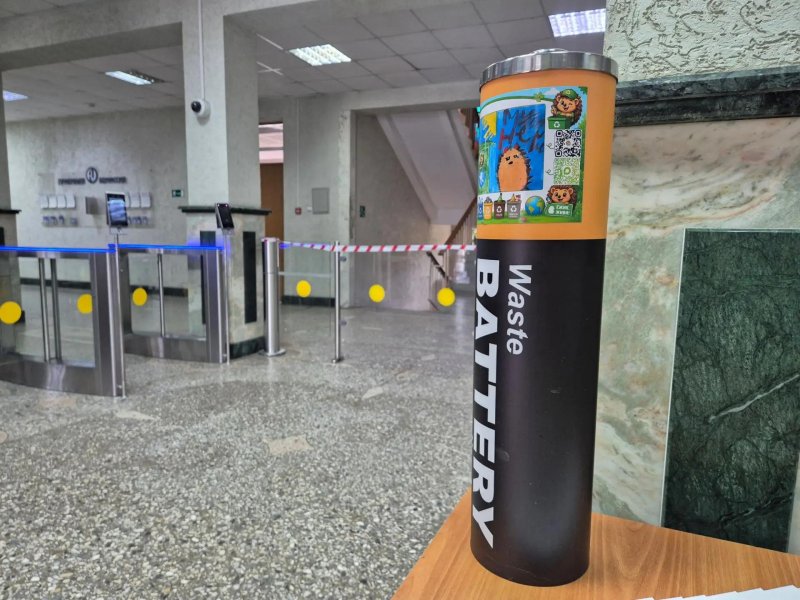
At Adyghe State University, at the initiative of employee and environmental activist Nadezhda Panova, a mini-recycling center for used batteries has been established. The center is located in the university's main building near the security office.
One battery thrown into a landfill contaminates up to 400 liters of water or 20 square meters of soil with heavy metals. Batteries contain mercury, lead, cadmium, nickel, and zinc. These substances are classified as toxic heavy metals. When placed in a landfill, the battery casing degrades, and hazardous compounds penetrate the soil, groundwater, and atmosphere, and then into plants and food, posing risks to human health and ecosystems.
Proper disposal of used batteries helps prevent these consequences. Collected batteries are sent to a recycling facility, where valuable materials are extracted and hazardous components are rendered harmless in accordance with technological standards.
The battery collection is part of the "Hedgehog, Live! Circassian Traditions and New Eco-Habits" project, implemented by the National Center for Health with the support of the Timchenko Foundation. The organizers of the campaign transport the collected batteries to a specialized facility for recycling.
We accept AA and AAA batteries, button-type batteries (from watches, toys, keys), 9V batteries, batteries from electronic devices, as well as lithium and alkaline batteries of any shape and size.
The collection container is decorated with drawings by children participating in the project. Anyone who drops off used batteries at the university's collection point can be assured that they won't end up in a landfill or harm the environment.